
I was conceived somewhere over deep waters which I’ve always felt made me a changeling child of the sea, and fills me with a quiet melancholy when I’m away from it. Through a lucky twist of fate when I came to be I would call home the sail boat my parents worked on, my dad’s first captaining position and my mum the chef. As a result I spent my formative years plunged deep in the reefs and rainforests of Central American nature, far from the wild hum of cities and people, for the most part anyway.
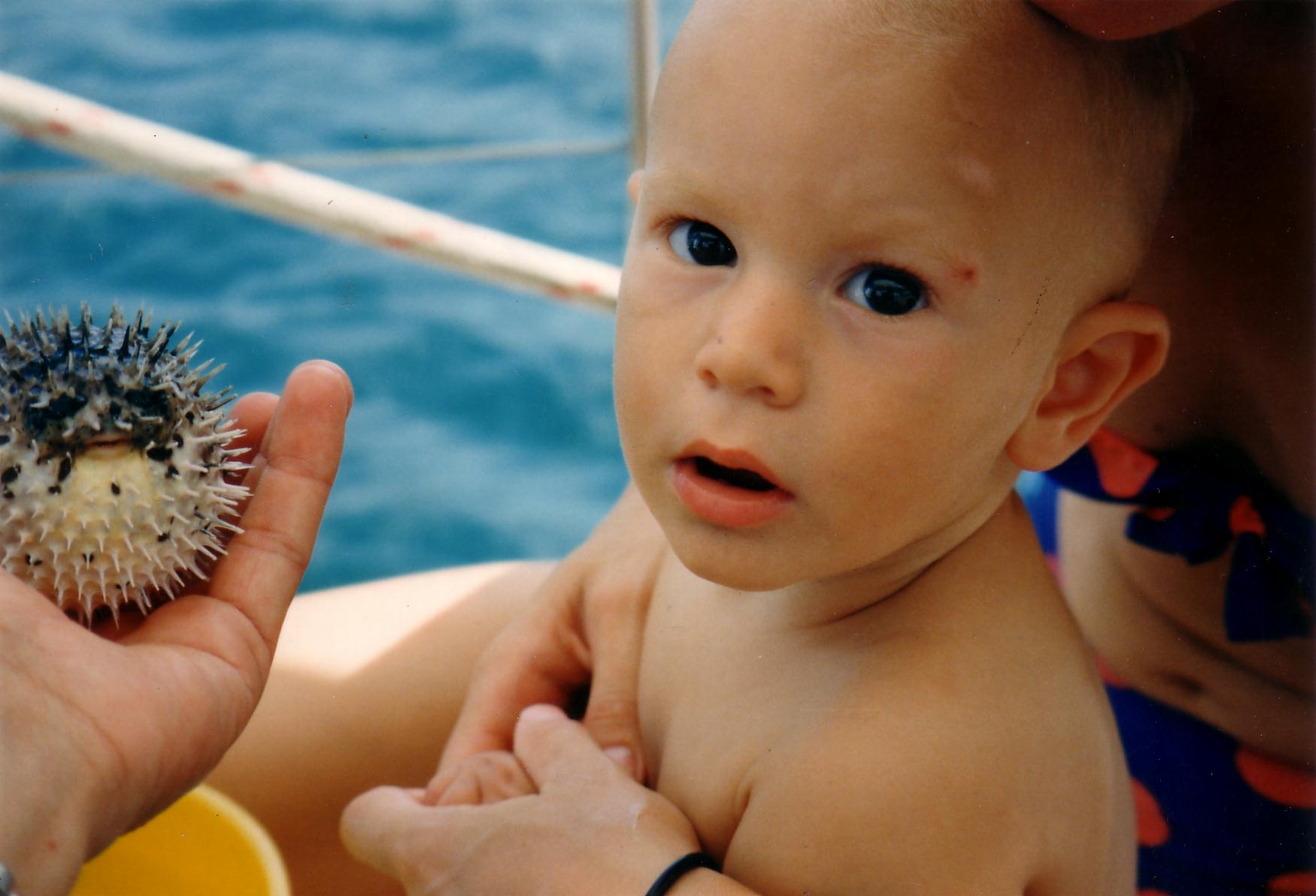
This filled me with deep love and sense of duty to the ocean. Growing up this has been the one constant of my life and my studies have all been to bring me closer to working to save my cradle.
I made my way back to Costa Rica in an attempt to recapture and relive my idyllic past as I have precious few memories of my time in Central America. In his twenties my dad left Latin America, and in my twenties I would be to return, completing the cycle perhaps. That is how I came to work with marine turtles, in short.
The work I do here is long and exhausting, unsociable hours and often thankless, but rewarding when you see the number of hatchlings given a chance at survival. It does come with great perks such as living full time on the beach allowing you to tune into the rhythm of the tides, in a way our most important measure of time here.
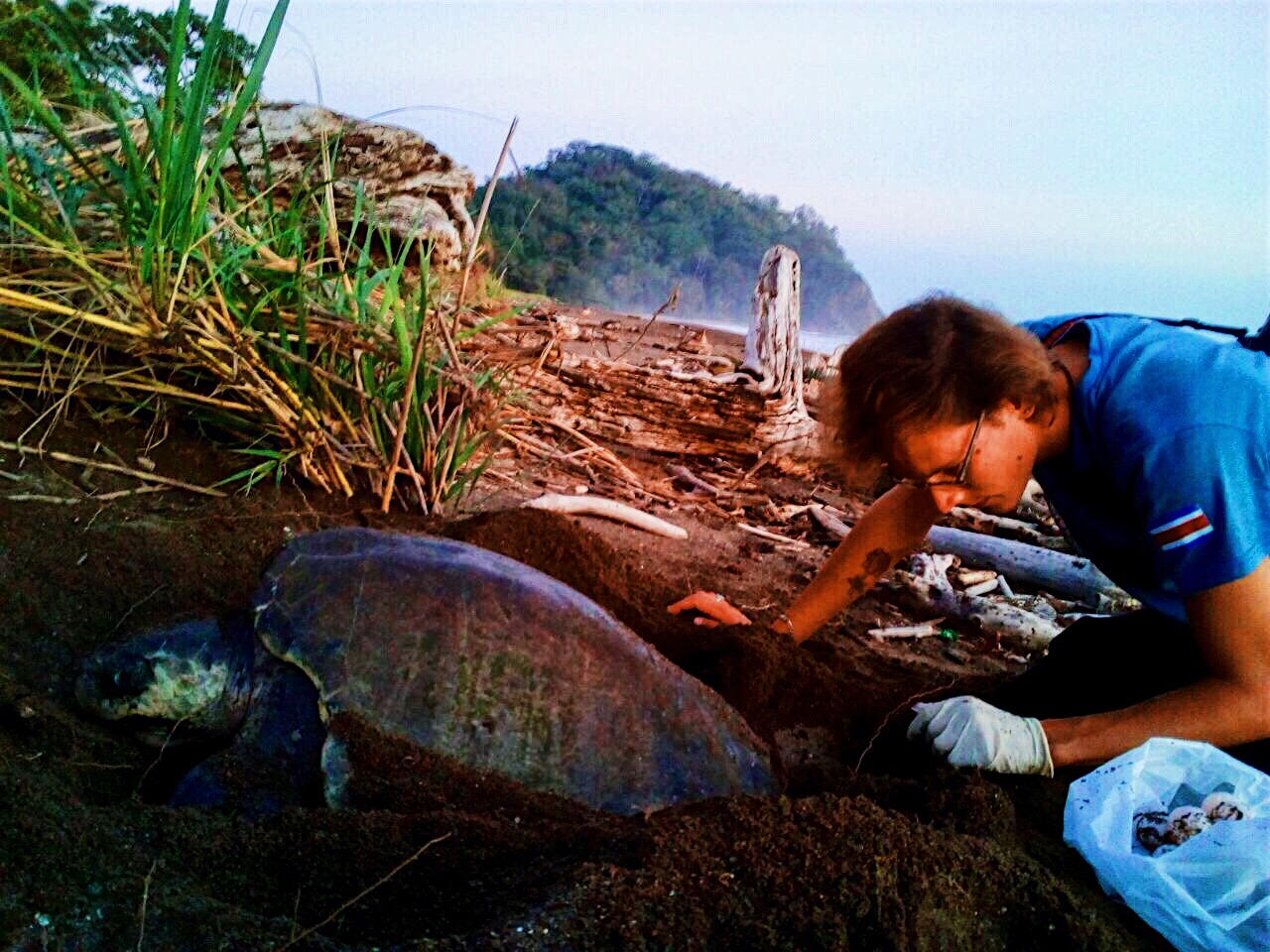
No doubt Paul has told you already about our daily work at camp already, so I won’t go further into it. However if you think the only way you can help make a difference to the lives of marine turtles, and other ocean dwellers, is to do expensive volunteering then think again! There are some simple and easy steps you can take at home.
I’m sure you’ll know some of these already, there have been many campaigns in the West to bring attention to these issues, but hopefully you’ll learn about some more.
Perhaps you saw on facebook the video of the sea turtle with a straw stuck in its nose. The removal was long and no doubt painful. Any time you get a drink somewhere, refuse a straw, as they always find their way to the sea no matter how carefully you throw them away. If you must have a straw then they have started selling biodegradable disposable cardboard ones, or you can invest in a reusable metal one which are often telescopic for ease of transport. Straws are a threat to other species too.
When you buy a six pack of beer make sure to cut the six pack rings so that there are no closed circles. These often get stuck around young turtles causing growth restrictions and deformations as the turtle grows. These also get stuck around other marine animals too. Recently Saltwater Brewery has created edible six pack rings, which can be eaten by marine species, write to beer companies to encourage them to start using this safer technology which will also reduce pollution.
Many of you no doubt already use reusable bags when grocery shopping, however it’s a good idea to encourage shops to go back to using paper bags if they provide disposable ones, as these are biodegradable. Plastic bags often find their way to the sea and are mistaken by already critically endangered leather-backs for jellyfish, their only diet. This means that they starve and die in pain from plastic in the digestive system.
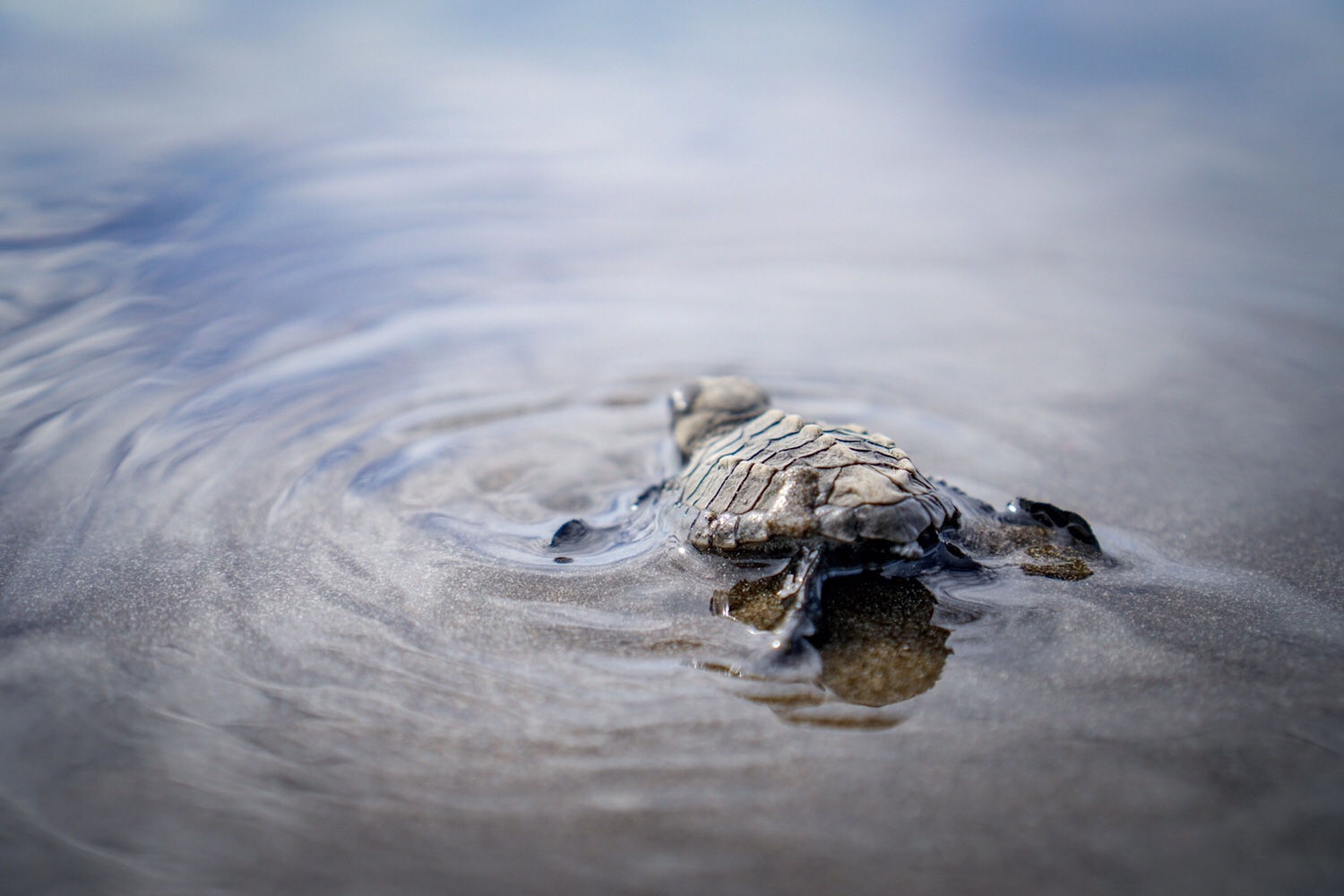
Marine turtles have been said to be the canaries of the sea, through their health and population we can tell how healthy the ocean is. Hawksbill turtles rely heavily on coral reefs for their diet and shelter. One of the biggest threats to reefs is the rise in sea temperatures and pollution such as raw sewage. It’s important then to combat global warming more generally too, and try to reduce toxic chemicals going untreated into nature.
Perhaps the most worthwhile and important work you can do to help marine turtles, and everyone else at the same time, is to write to your government officials demanding stricter regulations on big businesses and industries. Private households only account for a tiny fraction of pollution and damage to ecosystems, it is in fact big industries that pose the biggest threat. By demanding greater control and restrictions on the kind of waste big industries produce and requiring them to use renewable energies we could significantly decrease the advance of global warming. Many industries won’t like this because often it’s expensive or will mean they can no longer cut corners for profit. However in my opinion any sum of money is worth the price to pay in order to protect our home for future generations.
??????
True words, Mati!
Big respect for the work you’re doing and i wish you all the best and, of course, a lot of good volunteers like Paul!
I try my best to do everything possible to stop or reduce my personal effects on the climate change. But i have to say, for there are many austrians reading this blog, that we have managed to ban plastic bags from stores. And we never had and will never have plastic rings on our sixpacks. Probably because austrians usually buy their beer in larger quantities 🙂
But joking aside, it’s good to know that there are people in this world who do everything to help those beautiful animals and show a different way of living – not against nature but WITH nature.
Best regards,
Stefan
Oh! That’s excellent news! It’s true I’m not particularly aware of Austrian regulations. However I thought I better keep it general for anyone who may read the post, regardless of where they’re from!
Wise words spoken you have , young Jedi!
I hope that a lot of people read this and start living more conciously and sustaining – I think Pauli has to release his blog as a book 😉
Keep up the great work Mati!
Thank you! and yes I agree, a book would be great!